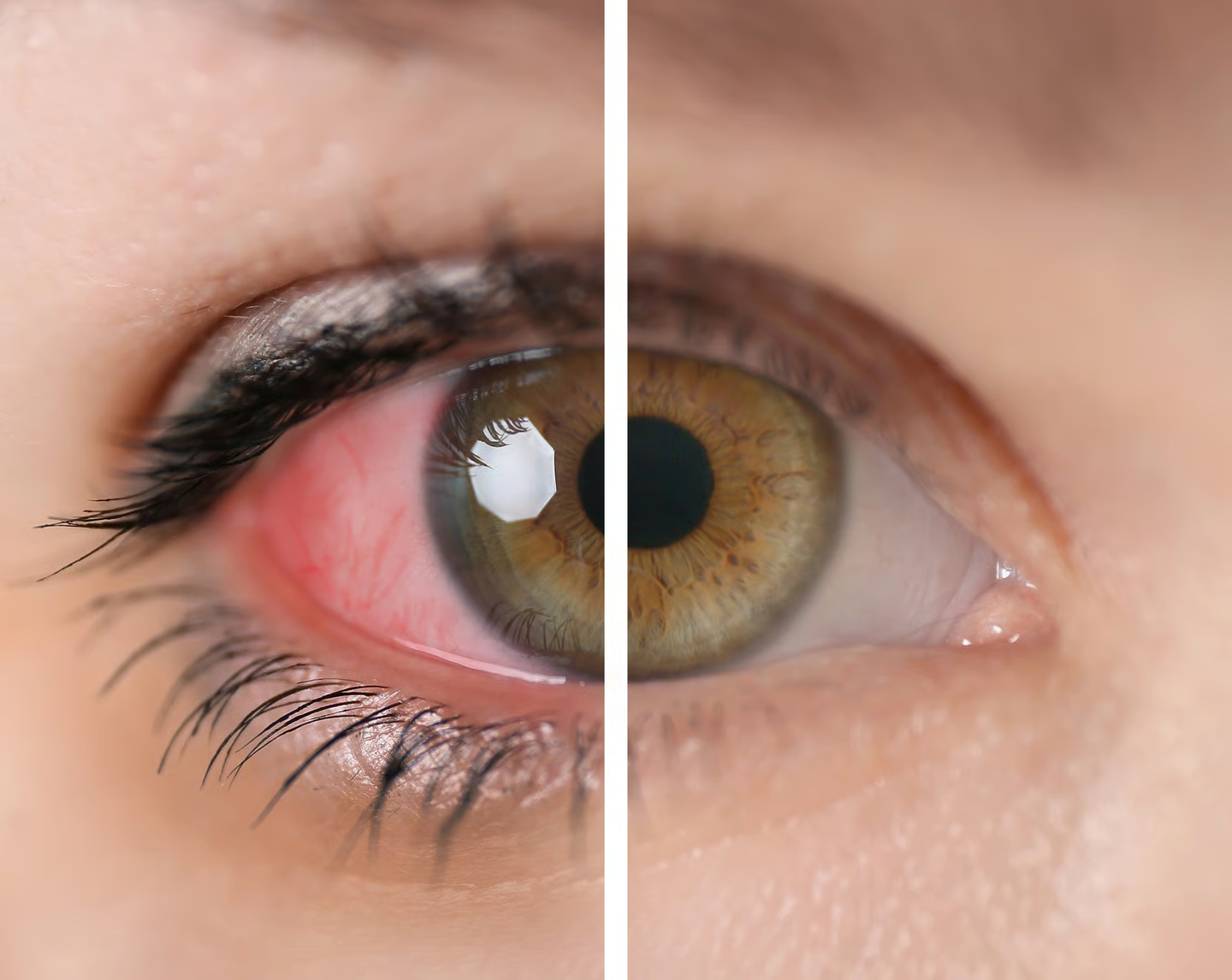
Anyone, from children to adults, can develop glaucoma. Regular eye examinations are crucial, as glaucoma that is recognised early is easier to treat and can therefore prevent severe vision loss.

Common risk factors:
Increased intraocular pressure:
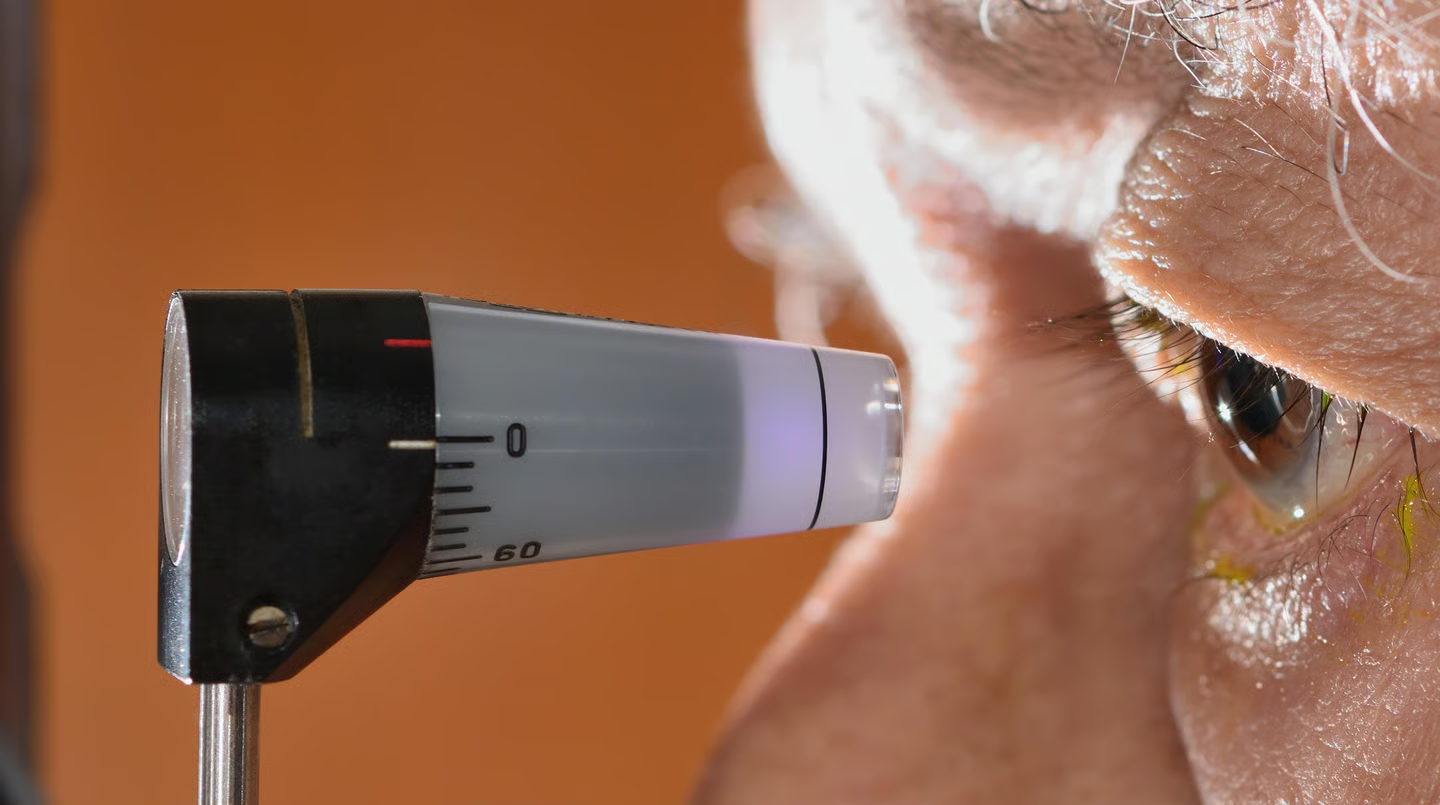
The most important risk factor. Can only be detected by examination by an ophthalmologist as it does not cause any direct symptoms.
Age:
The risk increases with age, especially after the age of 40.
Family history:
If close relatives have glaucoma, the risk is increased.

Ethnicity:
People of African or Asian origin have a higher risk.

Visual acuity:
Severe short-sightedness or long-sightedness can increase the risk of certain types of glaucoma.
Diabetes and vascular diseases:
Diabetes can lead to eye damage that favours glaucoma.
Long-term use of cortisone:
May increase intraocular pressure and increase the risk of glaucoma.
Serious eye injuries or operations:
Past injuries or operations can increase the risk.

Severe eye inflammation:
Certain inflammations can obstruct the outflow of aqueous humour and thus increase the pressure in the eye.